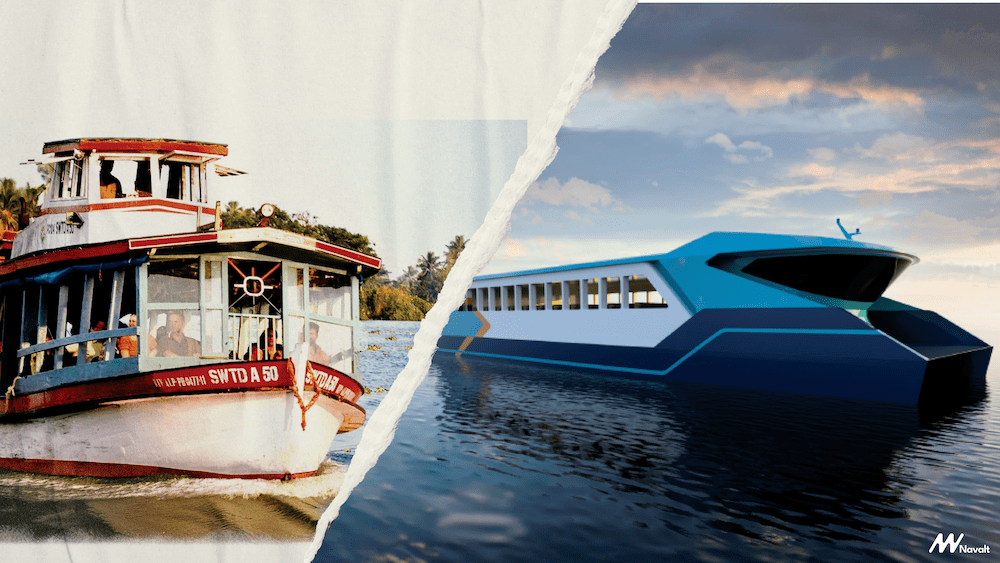

In a world increasingly driven by sustainability, ferry systems must evolve. India’s traditional diesel-powered ferries—many made of steel or wood—are not only outdated but environmentally and economically burdensome. This white paper charts a practical and transformative path from conventional diesel ferries to modern, solar-electric vessels, using the 100-passenger ferry as a reference model.
The Problem: Diesel Ferries Are Costly, Dirty, and Inefficient
Traditional diesel ferries are loud, polluting, and expensive to operate. A single 100-passenger diesel ferry can emit nearly 191 tonnes of CO₂ annually, along with other harmful pollutants like NOx, SOx, and particulate matter. Operating these vessels drains not only operator budgets (with yearly fuel and maintenance costs exceeding ₹78 lakhs) but also national foreign exchange reserves due to crude oil imports.
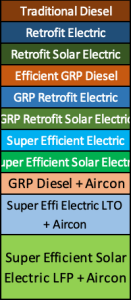
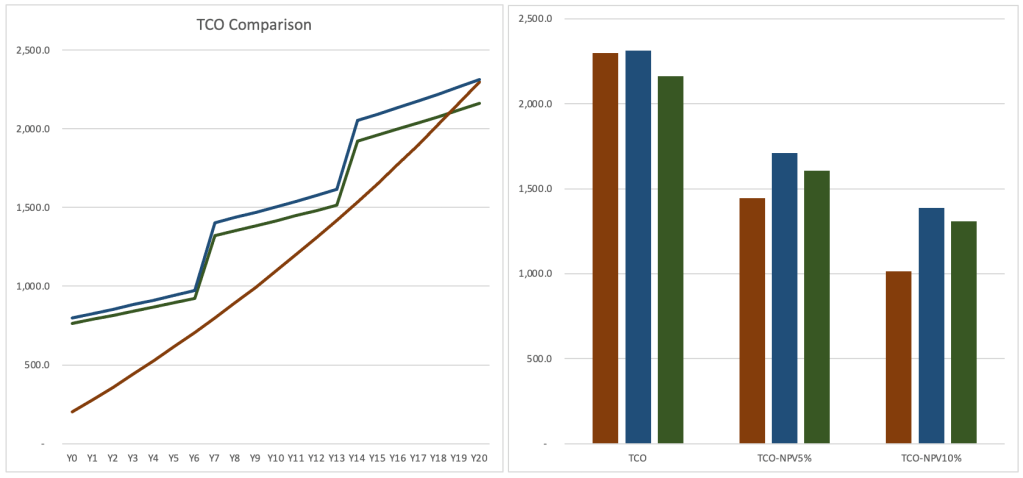
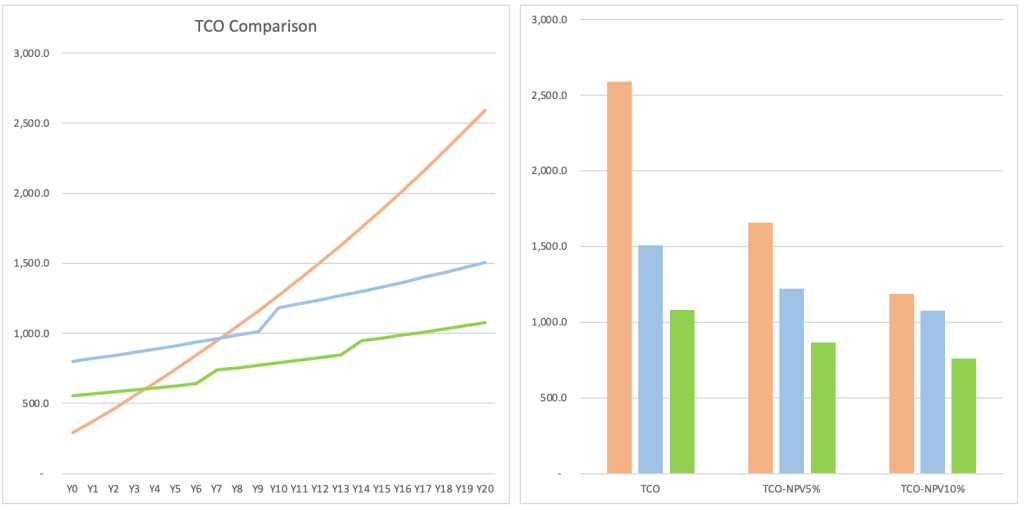
Retrofits—while tempting—often fall short. Whether you retrofit an old wooden boat or even a newer GRP (glass-reinforced plastic) catamaran, the battery size and weight required to replace a diesel engine makes the economics shaky. The Total Cost of Ownership (TCO) analysis consistently shows that retrofitting existing boats is rarely cost-effectiveover the vessel’s 20-year lifespan.
The Solution: Start Fresh with Super-Efficient, Solar-Electric Designs
Instead of retrofitting, building from the ground up is the key to ferry electrification. Purpose-built super-efficient GRP catamarans slash weight and drag—dramatically lowering energy needs. These boats can integrate solar panels on their rooftops, generating up to 83.8 kWh daily, which reduces battery size and grid dependency.
- New solar-electric ferries have a lower TCO than diesel in just 5 years
- Solar-electric versions offer the best combination of cost savings, energy independence, and passenger comfort
- Smaller MSME shipyards are capable of delivering these innovative vessels at far more competitive prices than large public shipyards
Even Air Conditioning is Possible—with Solar Power
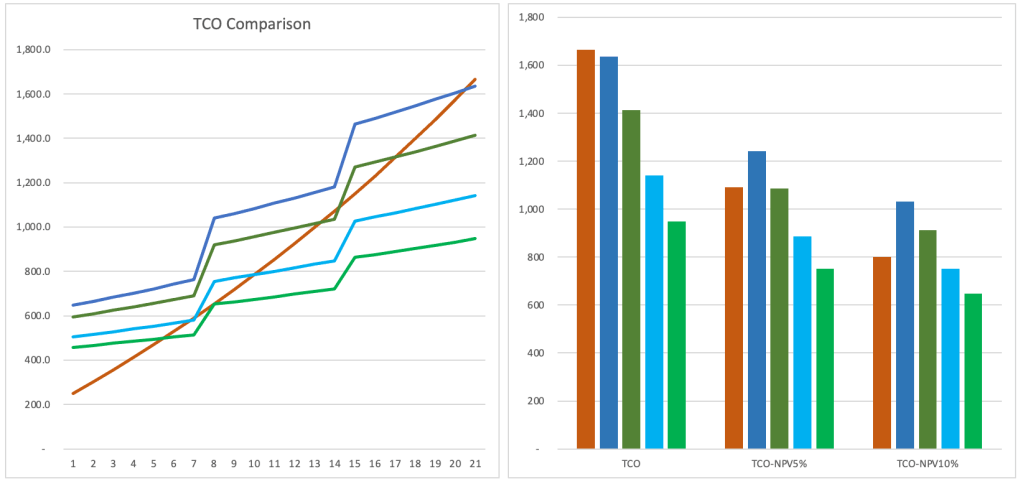
Premium, air-conditioned ferries are no longer a luxury exclusive to diesel or expensive LTO (Lithium Titanate Oxide) battery-powered electric boats. The white paper shows that solar-electric ferries with LFP (Lithium Iron Phosphate) batteries can handle the increased power demand of air conditioning, still achieving a break-even in under 4 years—outperforming even LTO-powered electric ferries.
Why This Matters
This transition isn’t just about saving money or emissions—it’s about enabling safer, quieter, and cleaner commutes for thousands of people, especially in regions like Kerala and West Bengal where ferries are lifelines. It also empowers local MSMEs, creates green jobs, and helps India reduce its dependency on imported fuel.
Final Word
The path from diesel to solar-electric ferries is clear—and cost-effective—if we invest in design and build anew. Retrofitting is yesterday’s shortcut; super-efficient solar-electric ferries are tomorrow’s smart investment. It’s time for governments and operators to reimagine inland water transport—not just as a service, but as a sustainable solution.
Download the white paper here: https://www.researchgate.net/publication/390592518_100_Passenger_Ferry_Boats_From_WoodenSteel_Diesel_to_GRP_Solar-Electric
 Sandith Thandasherry