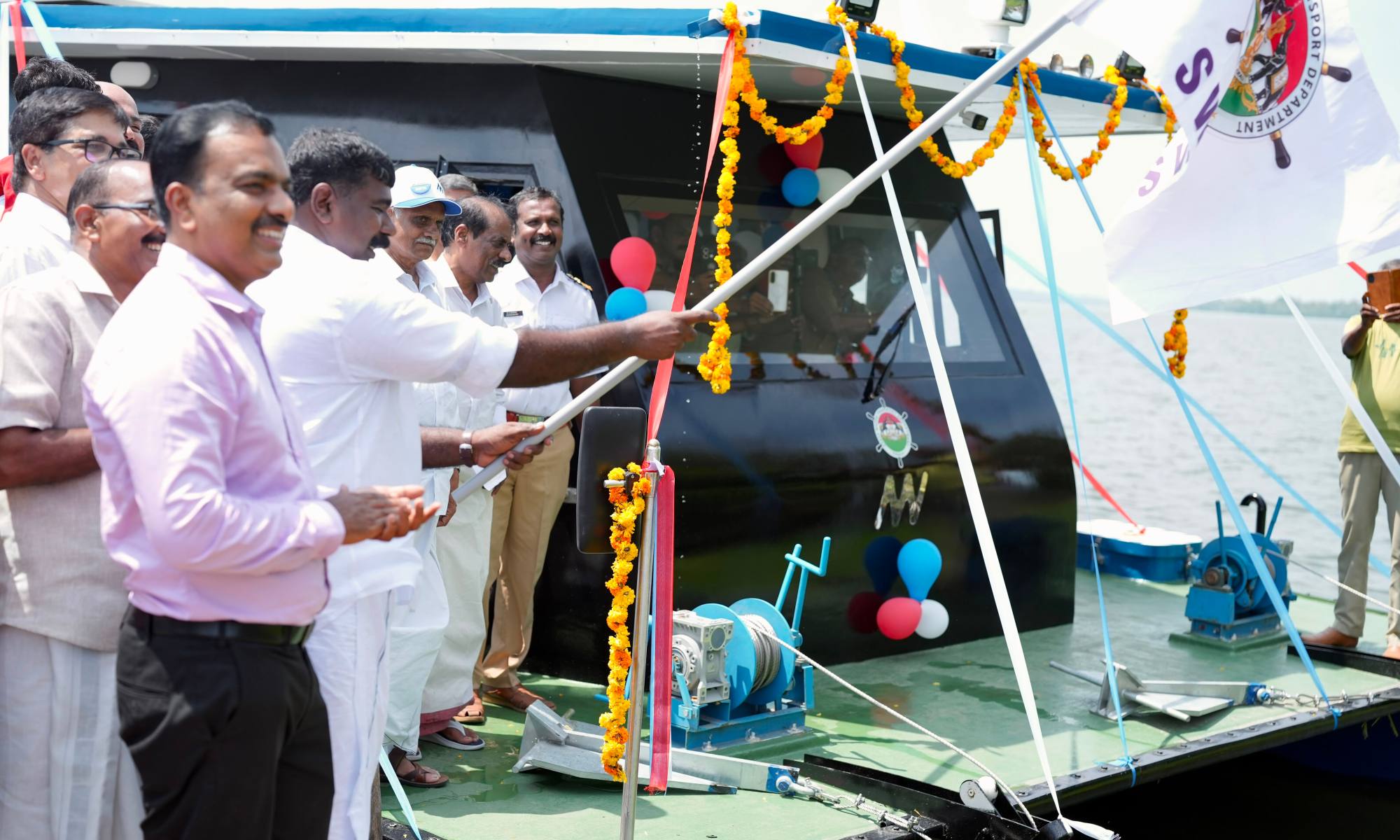

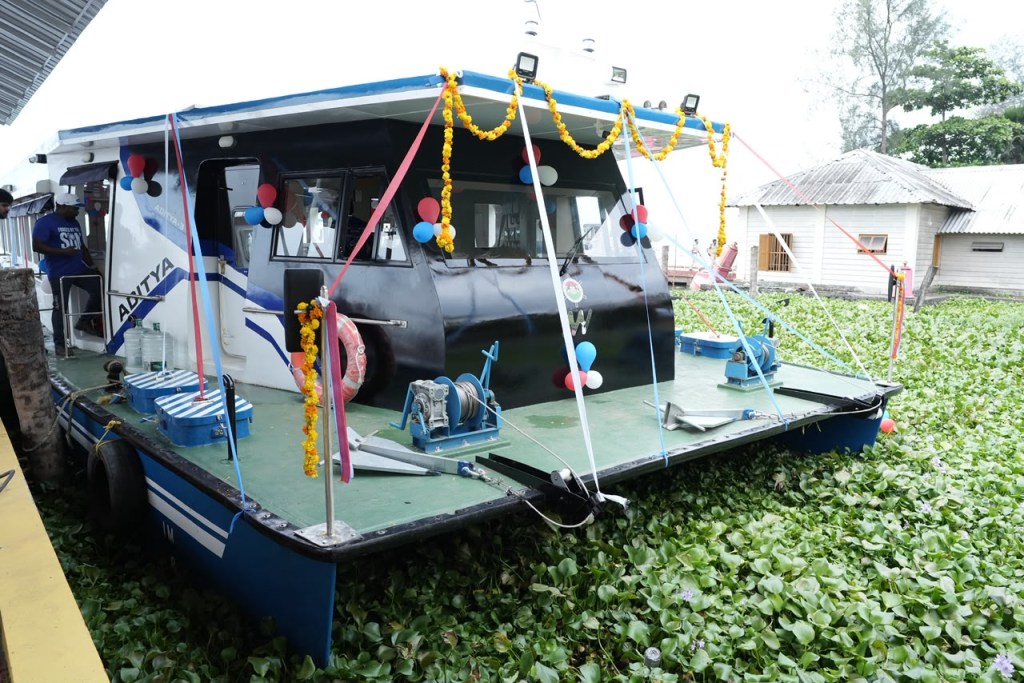
Last month we delivered the fifth Aditya-class solar ferry to the Kerala State Water Transport Department. Today it entered service. It is called Aditya 3, and its route is a new tourism service from Vaikom to the Palakkari Aqua Tourism Centre.
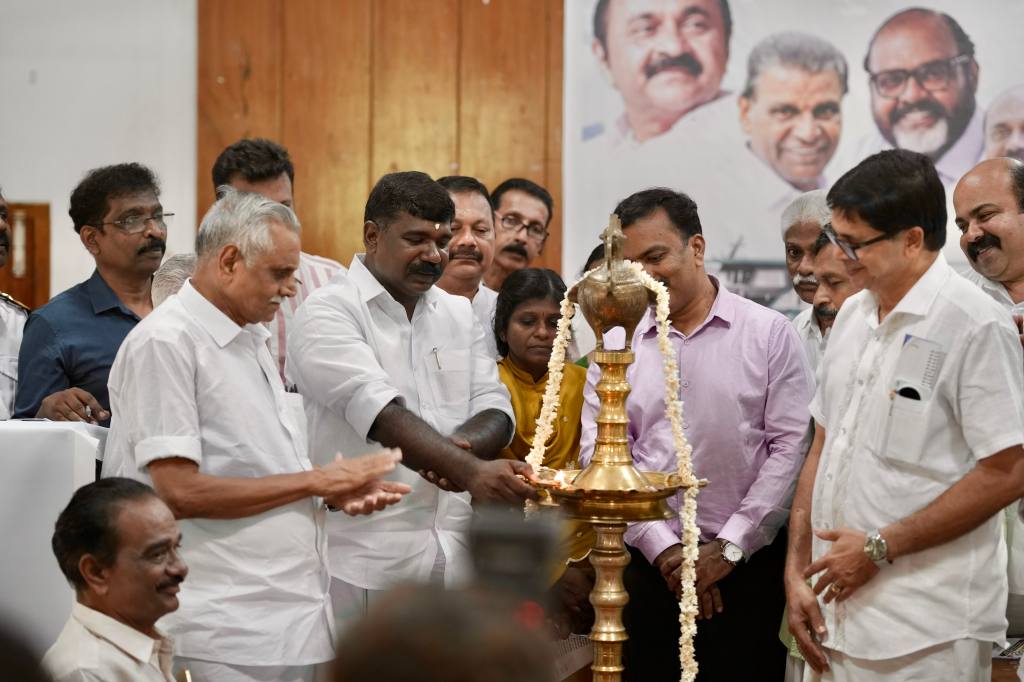
The inauguration was at the Vaikom Satyagraha Memorial Hall at noon. The Vaikom MLA, Shri K. Binimon, opened the service. The Kottayam MP handed over the first ticket. I was there with the team that built this vessel. They spent months on it in the yard. Today they watched it carry its first passengers.
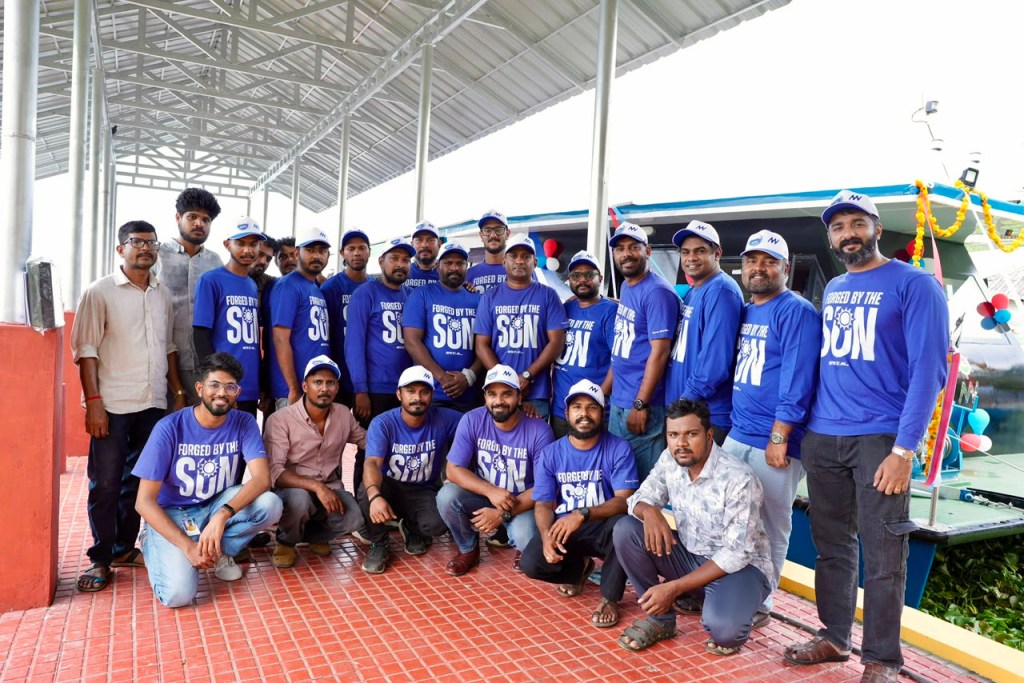
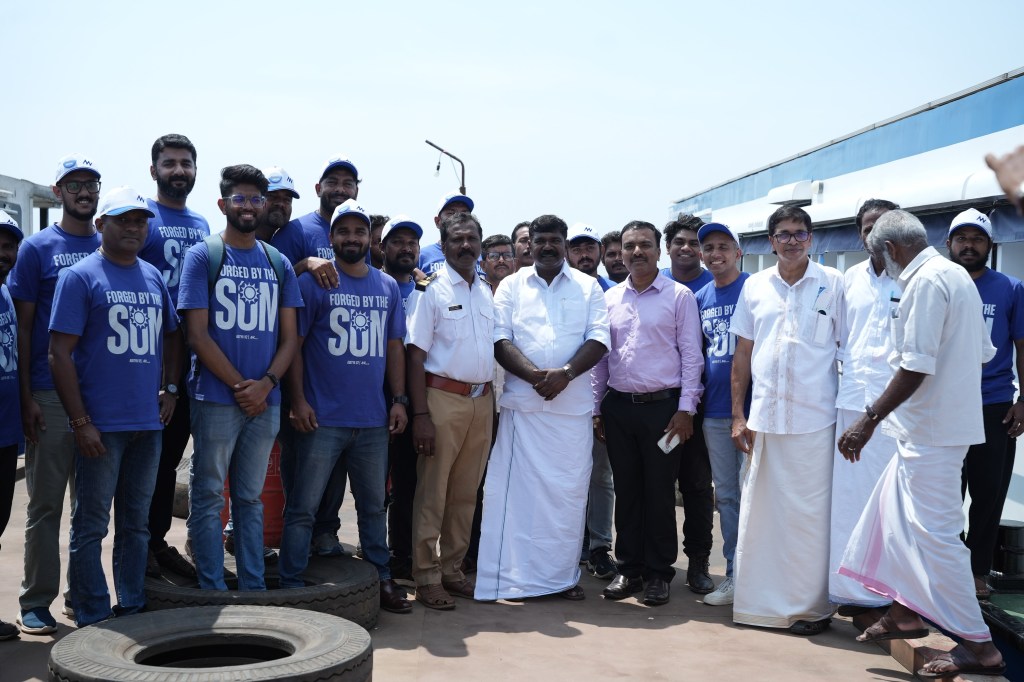
Vaikom is where it started for Navalt. In January 2017, the first Aditya began running from Vaikom to Thavanakkadavu. It was India’s first solar-electric ferry. We were a small company with one boat and a lot of doubters. Vaikom gave us credibility. Every order since has stood on what that boat proved on that route. Coming back to the same jetty with the fifth Aditya felt like coming home.
This boat has a different job. The first Aditya moves commuters across the lake. This one is built for people to slow down. The service leaves the Vaikom jetty at 11 in the morning. It crosses the backwaters to Matsyafed’s centre at Palakkari in Chempu panchayat. Guests get the lake, a meal of local food, and the sunset on the way back.
The boat is well suited to this. It carries 75 passengers. It has a 20 kW solar plant and an 80 kWh battery. At 6 knots it can run more than eight hours a day. That covers a full day out, from late morning to sunset, mostly on sunlight.
Public transport is where solar-electric boats make the most sense. Fixed routes, daily runs, and long hours turn low running costs into big savings. Tourism is the next best fit. There is no engine noise. There is no diesel smell. There is no vibration through the deck. You hear the water and the birds. A tourism boat sells an experience, and the experience is better when the boat is quiet.
The Director of the Water Transport Department, Dr. J.O. Arun IAS, put the numbers plainly in his address. The department spends about 85 crore a year. It earns about 16 crore. Every diesel boat replaced with a solar-electric one cuts that gap by 40 to 50 lakh a year. So SWTD is moving to a mix. Public transport stays an essential, subsidised service. Tourism becomes the revenue that offsets the subsidy. An Aditya solar ferry deployed in tourism can earn ten times the revenue of a public route, and cut the gap by another 1.5 crore a year.
The service is part of the state government’s 100-day action plan. The Water Transport Department took a risk with us in 2017. They have reordered four times since. Governments do not reorder because a pilot looked good. They reorder because the boats run and the economics hold.
The Vaikom Satyagraha was fought a century ago over the right of ordinary people to use a public road. It felt right to open a public boat service from that hall. Clean water transport should be ordinary. It should be the default, not the exception.
Six more 75-passenger Adityas and four 30-passenger ferries are in the pipeline for Kerala. The first Aditya was a question. The fifth is an answer.

