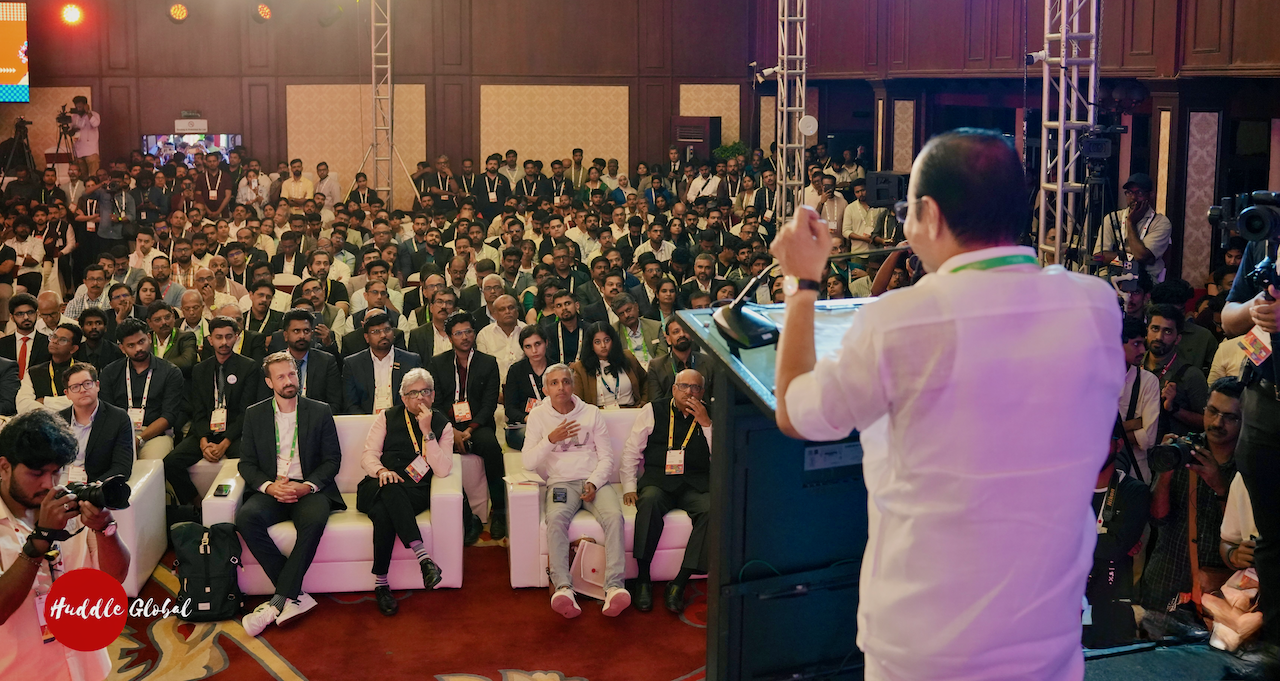

Huddle Global 2026 at Kovalam was time well spent. For me it came down to three sessions, one surprise, and a lot of good conversations in between.
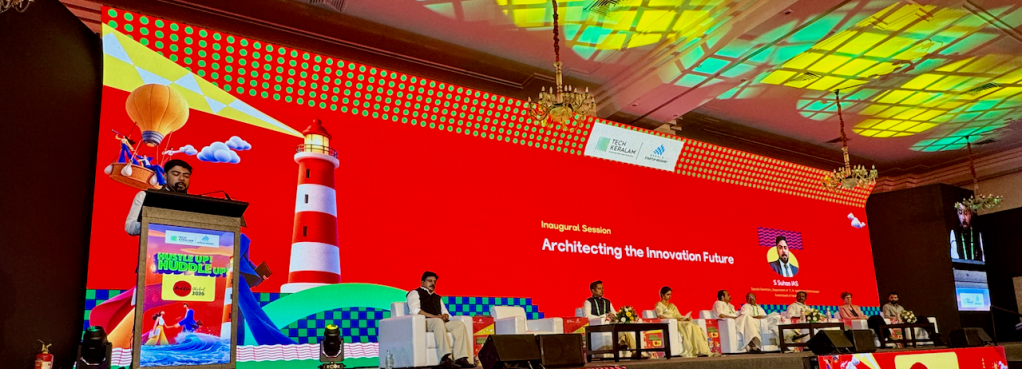
The surprise came first, at the inauguration. In his opening address, Anoop Ambika, CEO of Kerala Startup Mission, introduced NAVALT to the room. The Chief Minister and the Industries Minister were on stage. For a company that began with one solar ferry on a Kerala backwater, being named at the start of the state’s flagship startup event meant a lot. It also says something about Kerala. The state took a chance on us in 2017 when it bought Aditya, India’s first solar-electric ferry. It still remembers that bet.
The first session was my panel. Two questions came my way, and both were good ones. How do you sell something the market has never asked for? And how does a deep-tech company stay solvent while the technology matures?
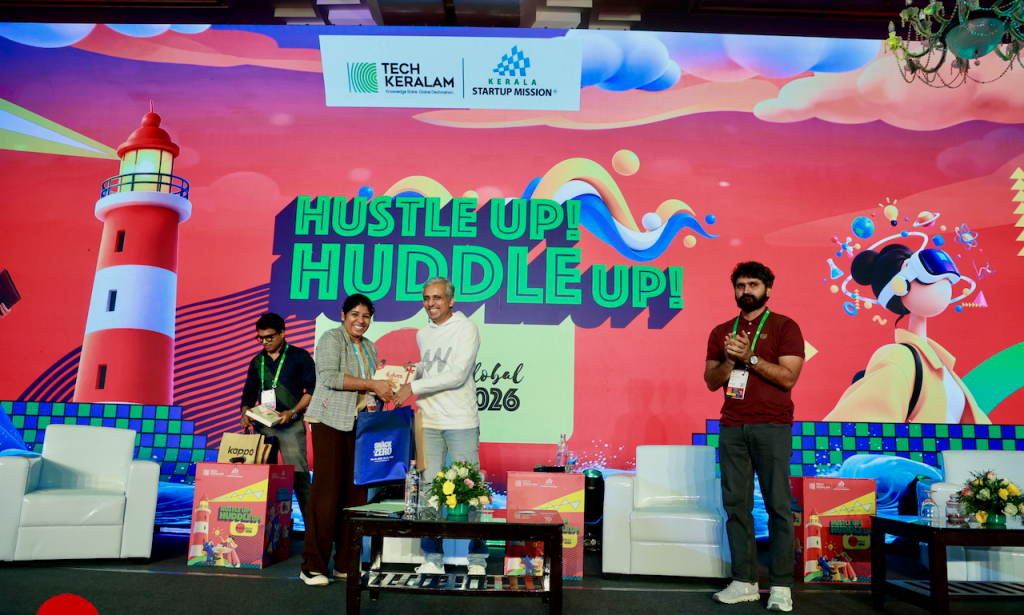
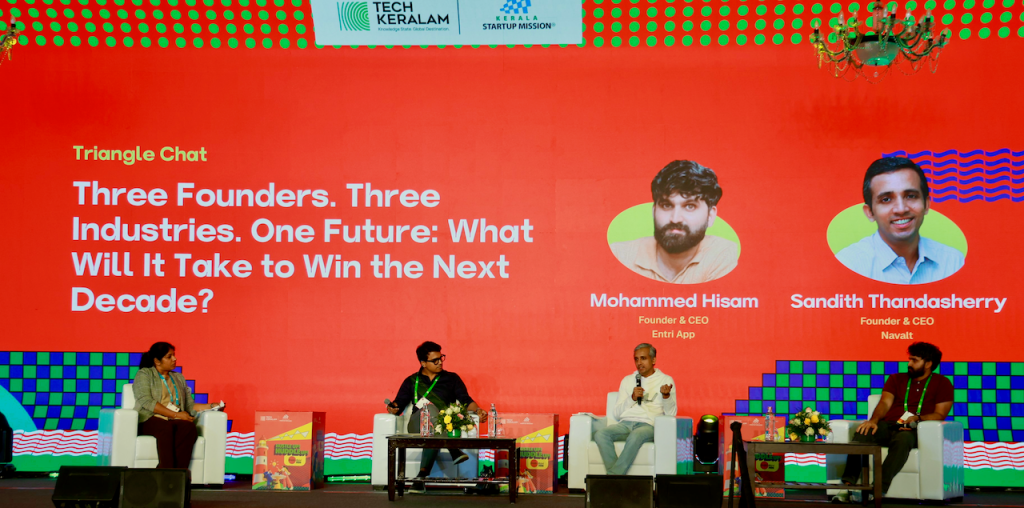
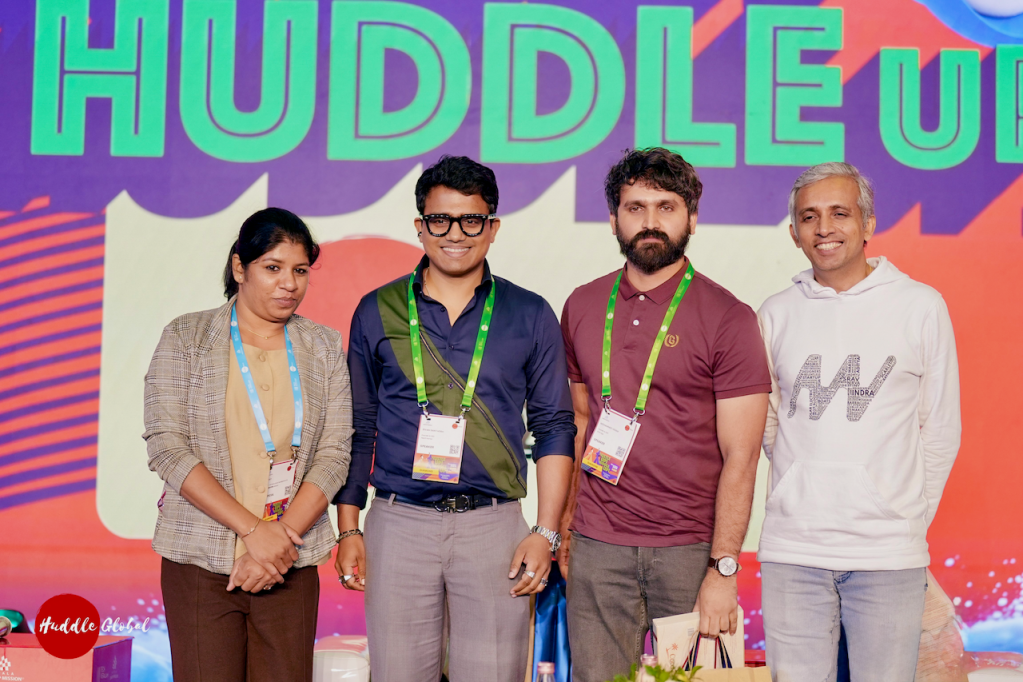
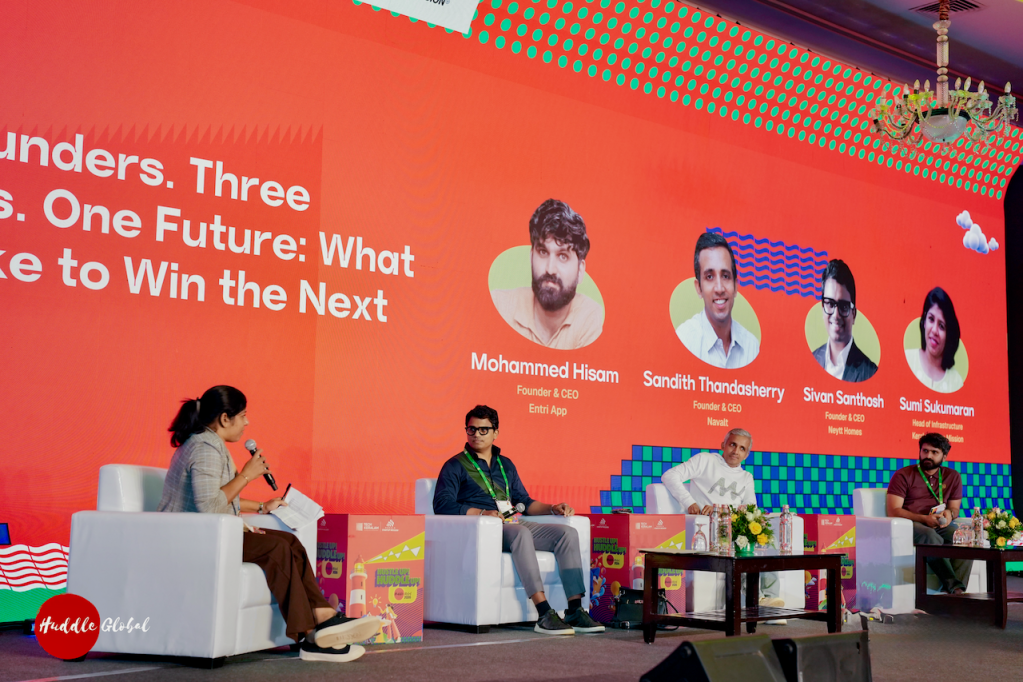
For the first, I asked the audience if they had attended the earlier session with Shafi Parambil and Ramesh Pisharody. Shafi Parambil had spoken about loving the problem, not the solution. That is how we started. The problem was the diesel boat: air and water pollution, noise, vibration, the smell of fuel, and above all high operating costs. Solar-electric boats for public transport were our way to solve it. We let the first boat prove it on the water, and now we are scaling that. But because we love the problem, we don’t force one answer everywhere. For a cargo vessel, the solution is not solar. It is something else.
The second question was the one I enjoyed most. When we built Aditya, we didn’t make our own battery or motor. We designed the boat, bought the best components we could find, and made them work together. As orders came in, we put the money into R&D and built our own marine battery and powertrain. Today we start from imported cells. Next, we move to cells made in India as Indian factories come on stream. Each step deeper into the technology is paid for by boats already earning on the water. Innovation follows revenue. It doesn’t run ahead of it.
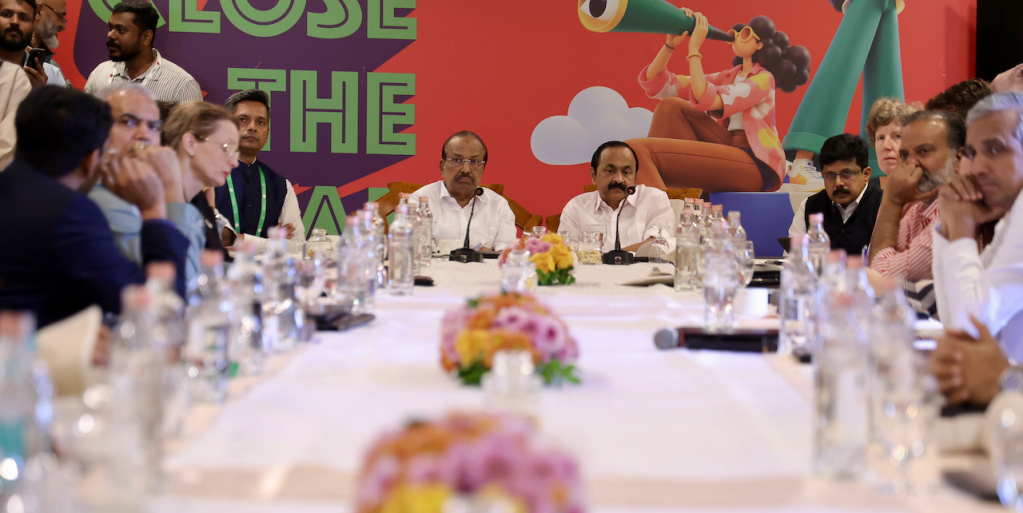
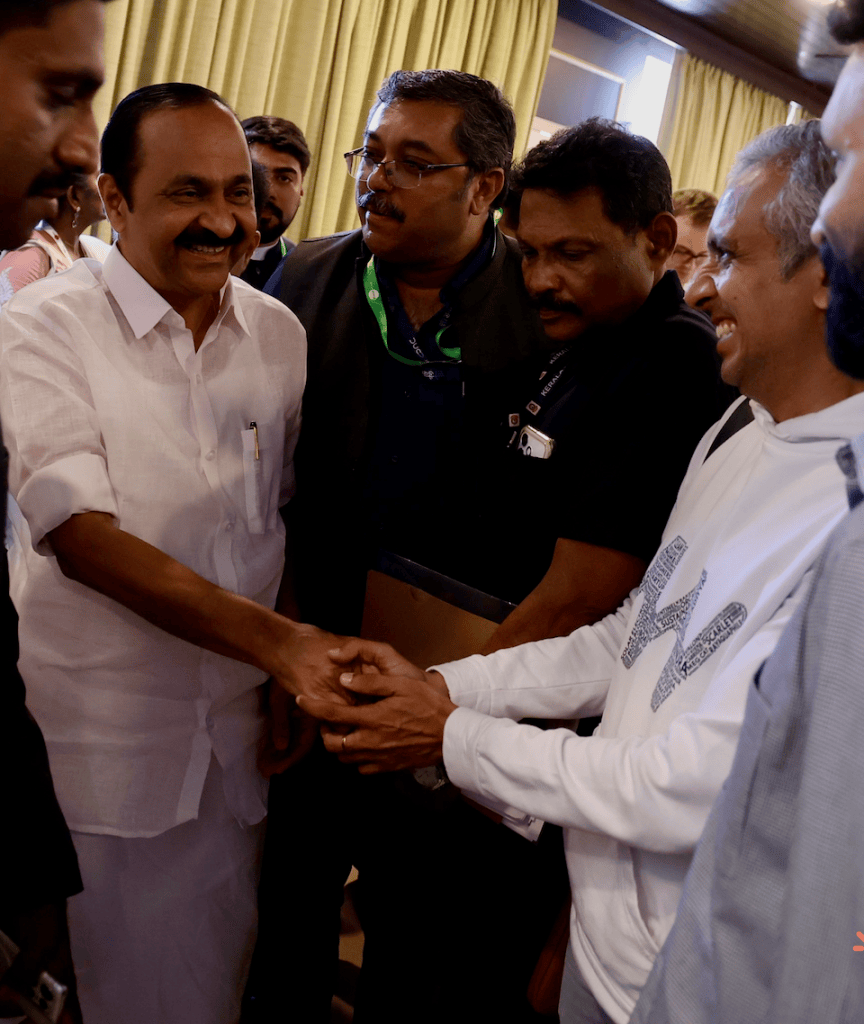
The second session was the Chief Minister’s roundtable, with diplomatic missions, investors, industry leaders and the government around one table. Our perspective was that Kerala already has proof of what it can do. One government order in 2017 helped build a company that has since taken on 87 vessel projects across 12 states and exported to Canada, Cyprus, Israel and the Seychelles. The state didn’t just fund innovation. It bought it.
The ask was to make that deliberate. Hardware startups rarely die at seed. They die at scale-up, when the factory, working capital and customer financing all need money at once. Scale-up funds that lend against confirmed government orders would help. So would the government fleet acting as an anchor customer for clean technology, and approvals that don’t hold up startups waiting for surveyors.
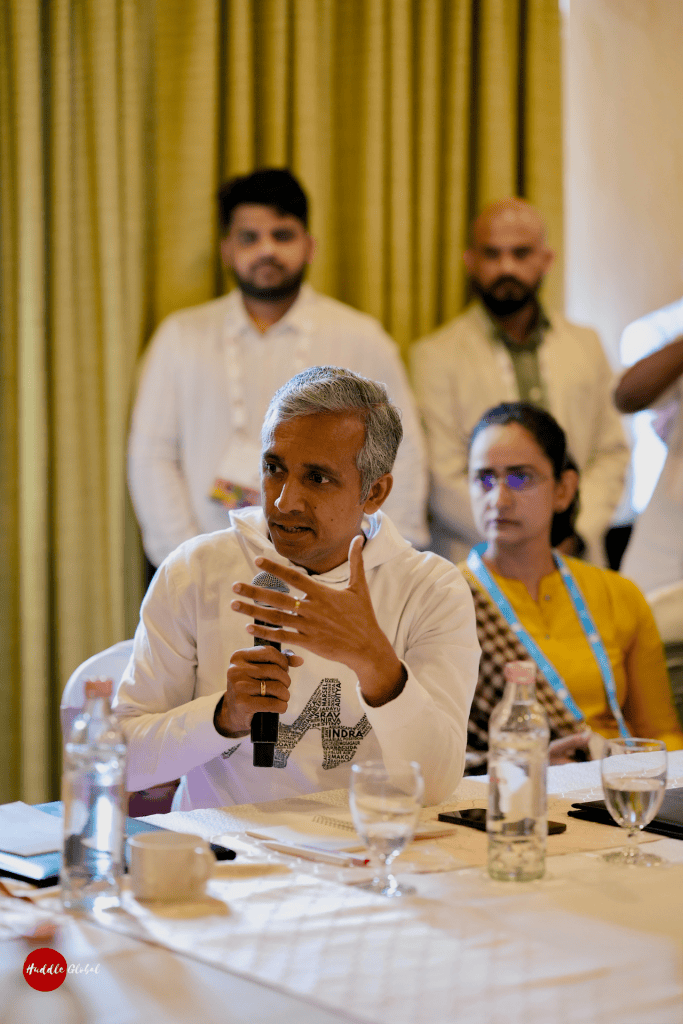
The third session was the industry roundtable, moderated by Anoop Ambika. The question was how large enterprises and startups can work together. From the startup side, I saw four ways. The first is joint development. A startup often has the expertise or the IP. A large company can build on it through a shared R&D project instead of starting from scratch. The second is demand aggregation. A large enterprise or a government body can pool demand into one programme and have the startup, which has the expertise and experience, execute it. The third is CSR funds. Some of that money can go into projects that startups are able to deliver. The fourth is joint participation. Many startups have the technology and the track record, but not the turnover or capital that large tenders demand. Bidding together, the large company brings the balance sheet and the startup brings the technology.
Then there were the people. Founders building things I hadn’t heard of a week ago. Investors who had done their homework. Officials, mentors and ecosystem builders who make an event like this work. The Kerala startup ecosystem has grown up, and it showed.
Thank you to Kerala Startup Mission for a well-run Huddle. I look forward to the next edition.

